
When ‘I’m Bored’ Strikes: The Magic of Ready-to-Go Riddles
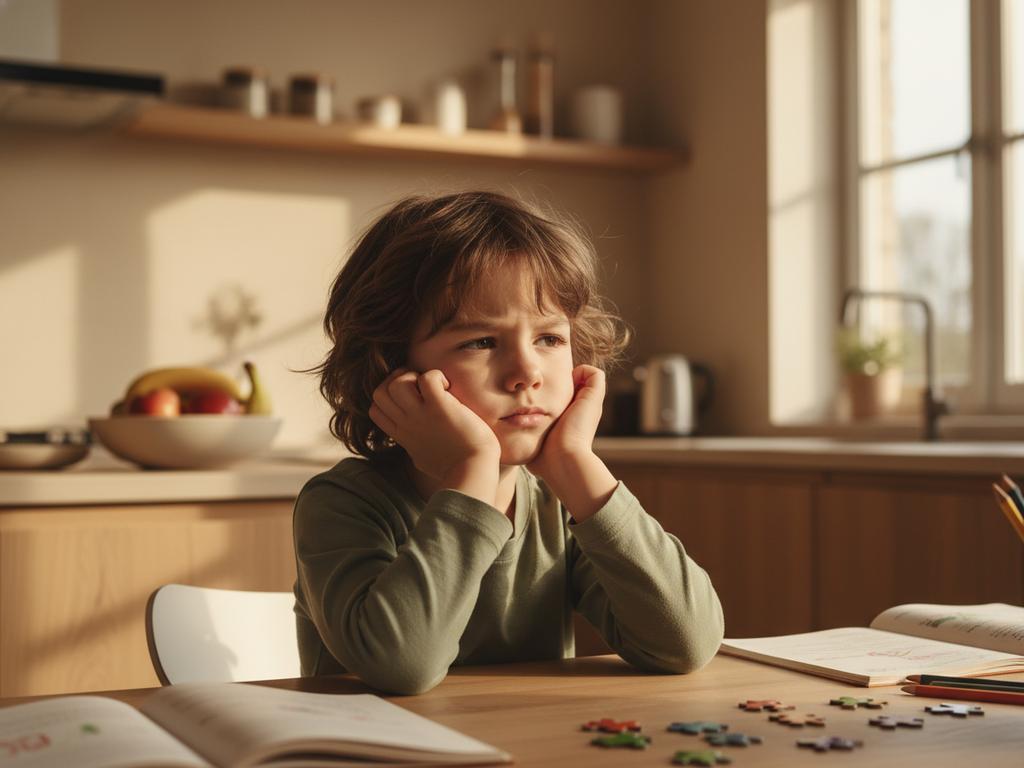
It’s 4:23 PM. Homework is done, the floor is a minefield of LEGOs, and someone utters the dreaded words: *“I’m boooored.”* Sound familiar? This is your moment. Instead of scrambling for crayons or a last-minute craft idea, you simply smile and drop a riddle. No setup. No cleanup. Just curious eyes and engaged minds. These zero-prep riddles are your secret weapon — not just time-fillers, but mini-missions that spark giggles and thinking caps. Whether you’re a parent in the kitchen, a teacher between lessons, or a caregiver calming the post-snack chaos, these riddles fit into your day like puzzle pieces in play.
Little Brains, Big Gains: Why Riddles Are Secret Learning Machines
Behind every punchy punchline is a brain doing cartwheels. Riddles aren’t just fun—they’re neuroscience-backed nuggets of learning disguised as jokes. Studies show that solving riddles boosts executive function, language flexibility, and cognitive reasoning. Kids stretch their lateral thinking muscles, practice inference and develop the kind of creative problem-solving that textbooks rarely teach. Even better? They don’t realize it’s educational. It feels like silly fun, but it’s secretly schooling. A tough riddle becomes a challenge. A correct guess becomes a confidence boost.
The Golden Riddle Rules: Curious, Not Confused
Reading a riddle isn’t just about delivery—it’s about *building the moment*. Kids lean in when you lean into the play. Here’s how to keep them munching mind snacks instead of zoning out:
– Read with rhythm and pause: Emphasize puns or clues. Let the question land.
– Never shame a guess: Every “wrong” answer is a peek into their thinking.
– Celebrate the stumpers: If no one solves it, say, “Oooh, that was a tough one!” and move on.
Tip: Keep a few go-to riddles memorized for surprise moments. Waiting in line? Boom—brain teaser.
20 Zinger Riddles for Ages 6–8: Giggles Guaranteed
These carefully picked riddles are age-appropriate brain-teasers that sneak in language play, logic and just the right dose of silliness. Perfect for dinner tables, long drives or spontaneous laugh attacks.
1. What has hands but can’t clap? *(A clock)*
2. I fly without wings, I cry without eyes. What am I? *(A cloud)*
3. What can you catch but not throw? *(A cold)*
4. What goes up, but never comes down? *(Your age)*
5. What’s full of holes but still holds water? *(A sponge)*
6. What has a face and two hands but no legs? *(A clock)*
7. What gets wetter as it dries? *(A towel)*
8. What has one eye but can’t see? *(A needle)*
9. What begins with T, ends with T, and has T in it? *(A teapot)*
10. I’m tall when I’m young, and short when I’m old. What am I? *(A candle)*
…and ten more in the free PDF download coming at the end of the article!
Level Up: Thought-Twisting Riddles for Kids 8 and Beyond
Older kids crave the challenge. Their brains are ready to spot patterns, decode clues, and build mental stamina. These riddles push creativity and logic further without losing the fun:
1. A girl has as many brothers as sisters, but each brother has only half as many brothers as sisters. How many brothers and sisters are there? *(4 sisters, 3 brothers)*
2. The more you take, the more you leave behind. What am I? *(Footsteps)*
3. Forward I am heavy, but backward I’m not. What am I? *(The word ‘ton’—backward is ‘not’)*
4. You see a boat filled with people. It hasn’t sunk, but when you look again, you don’t see a single person on board. Why? *(All the people were married!)*
These logic puzzles for children reward persistence—and may stump a few adults, too!
Car Rides, Classrooms and Couch Days: Riddles Everywhere
You don’t need flashcards or apps to activate young minds—all you need is a good riddle. Here are everyday moments that become micro-learning opportunities:
– Car rides: Turn road trips into riddle-a-thons
– Class transitions: Brain teasers as mental ‘breathers’
– Rainy afternoons: Replace screen temptations with clever wordplay
– Bedtime routines: End the day with calm, focused fun
These no-prep riddles fit into life seamlessly—like a thoughtful whisper rather than a loud instruction.
Screen-Free and Still Cool: Why Riddles Top the List
Screens are shiny. Riddles are smarter. As more families seek meaningful, screen-free fun, riddles hit the sweet spot: engaging, compact, and brain-juicy. They encourage children to slow down and *think*, rather than swipe mindlessly.
Plus, compared to games that require instructions, devices or cleanup, riddles are:
– Zero cost
– Always available
– Emotionally interactive
They ask for presence—not perfection. And the laughter? That’s just a smart bonus.
Bonus Round: Let Kids Become the Riddle-Makers
Turning the tables is gold. Once kids realize they can *create* riddles, the engagement doubles. Invite them to invent new mind-benders. It will stretch their imagination and sharpen grammar, logic and even empathy (what might stump *others*?).
Encourage them with structure:
– Think of an object or concept
– Describe it indirectly (What does it do? Look like?)
– Build the twist: something unexpected or humorous
Soon you’ll hear, “Wanna hear *my* riddle?” And trust us, the answers will surprise you.
Ready, Set, Riddle!: Tips and Tools to Start Now
Start small, start now. Choose three riddles from above, and test the waters during snack time or lunchbox packing. Or print our free ‘Zero-Prep Riddles Pack’ (coming soon!), featuring 30 riddles organized by age, with tips for playful delivery.
Simple start:
– Memorize one go-to riddle
– Use silly voices
– Let kids deliver them back to you
Challenging riddles for ages 6+ don’t demand time—they *give back* time… with giggles, focus and bonding. So go ahead. Riddle your way into curious conversations today.