A Riddle a Day Keeps the Boredom Away
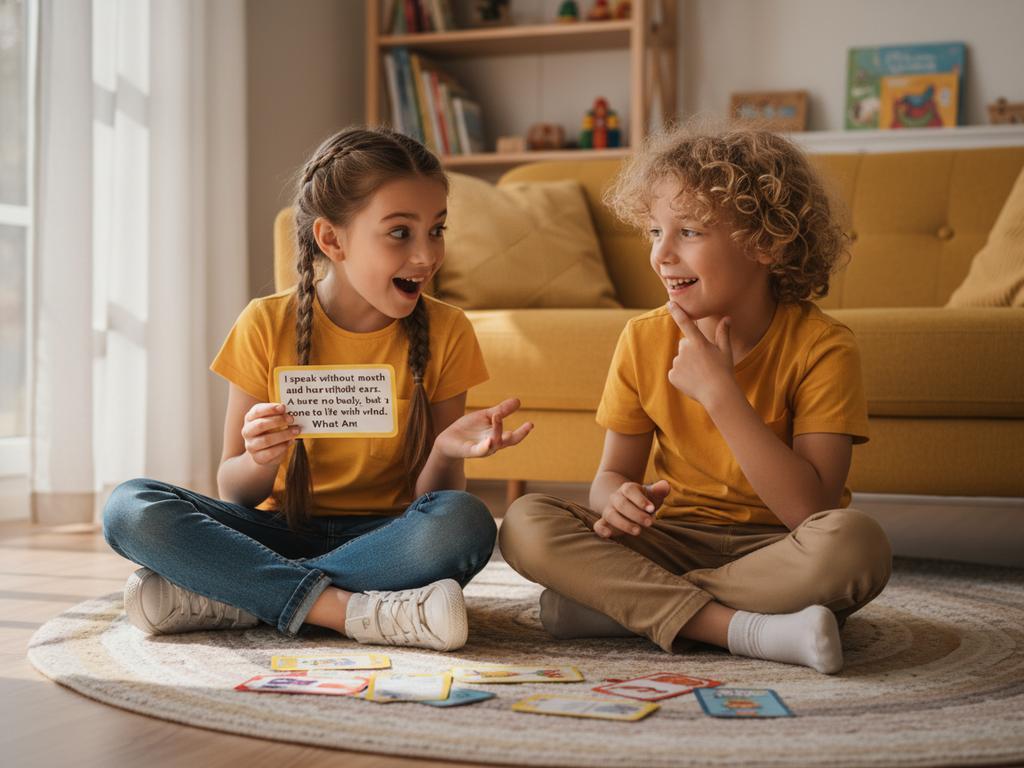
Let’s face it — kids get bored fast. But what if you had a secret weapon in your back pocket that packed giggles, surprise, and brainpower into just a single sentence? Riddles are more than just quirky questions — they’re miniature adventures for growing minds. Whether you’re at the breakfast table, on a car ride, or winding down at bedtime, easy riddles for kids that spark big smiles and sharp thinking can turn idle moments into learning magic. For parents, educators, and caregivers, they’re a low-effort, high-reward tool that builds curiosity, boosts language, and invites kids to think out loud — all while keeping the mood light and playful.
Brain Boosters in Disguise – The Power of a Good Riddle
Riddles are cognitive calisthenics — and kids don’t even realize they’re exercising their brains. Studies in child development suggest that playful problem-solving activities like riddles improve working memory, verbal fluency, and inferential reasoning. In simple terms? They help children get better at thinking around corners. Here’s what a single clever question can do: – Establish verbal flexibility: Riddles sharpen vocabulary and deepen language comprehension. – Strengthen logic: They encourage pattern recognition and deductive reasoning. – Promote patience: Unlike fast-paced media, riddles invite kids to slow down, think, and try again. Plus, the laughter that erupts after a silly punchline? That’s a little neurological bonus called joy reinforcement — kids associate learning with fun, and they’ll keep coming back for more.
The Golden Rules of Kid-Friendly Riddles
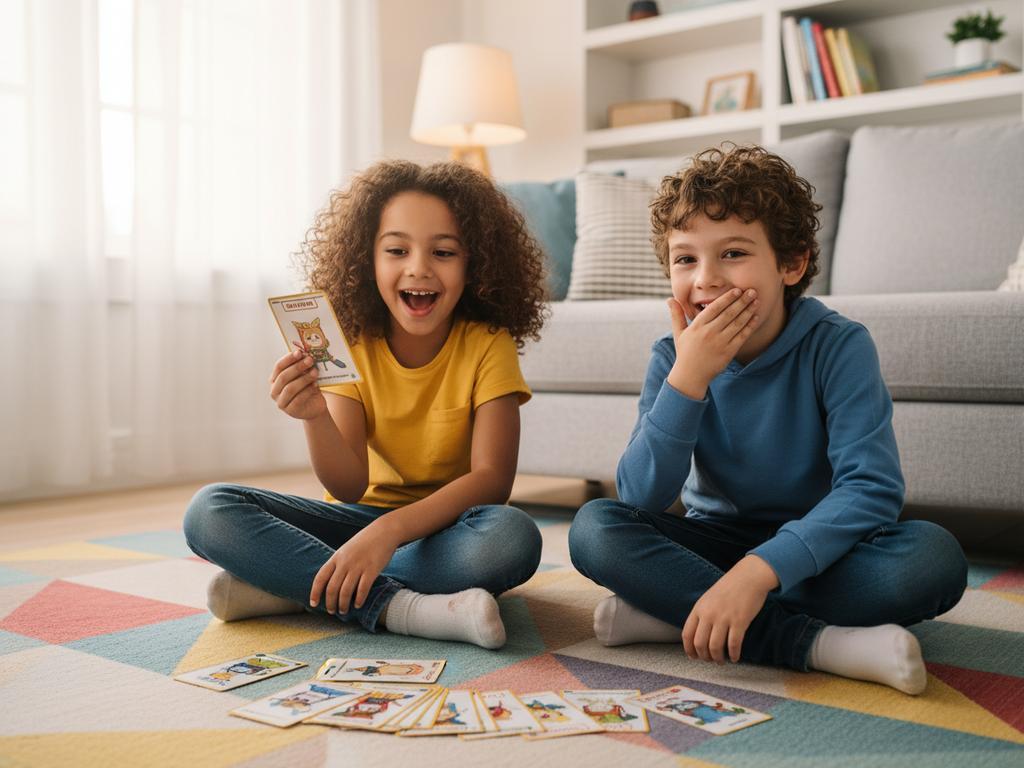
Not all riddles are made equal — and choosing the right ones for young minds makes all the difference. Riddles that are too complex can frustrate, while overly simple ones may fall flat. The sweet spot? Playful, age-appropriate challenges with a twist. Here’s what makes a riddle perfect for children: – Clarity: Use simple vocabulary, but allow for teachable moments through unfamiliar words. – Brevity: Short riddles are easier to digest and remember. – Playfulness: Look for clever logic and friendly trickery — riddles that surprise rather than stump. – Relatability: Topics like animals, food, school, or nature create instant engagement. Presentation tip: Act them out, whisper them dramatically, or write them in lunchboxes. With a dash of creativity, riddles become more than just questions — they’re interactive experiences.
25 Easy Riddles That Tickle and Teach
Ready to spark some giggles and brainwaves? Here’s a curated collection of 25 fun brain teasers for children. Each riddle includes an answer and a quick nudge for deeper thinking. 1. What has hands but can’t clap? Answer: A clock. (_Think about non-human things that have ‘parts’ like us._) 2. What gets wetter as it dries? Answer: A towel. (_It’s a classic — and still gets puzzled looks!_) 3. I’m tall when I’m young and short when I’m old. What am I? Answer: A candle. (_A riddle in disguise about time and change._) 4. What has a head, a tail, but no body? Answer: A coin. (_Sneaky wordplay on parts of animals and objects._) 5. What has to be broken before you can use it? Answer: An egg. (_Science meets logic – a perfect breakfast brain stretch._) 6. The more you take, the more you leave behind. What am I? Answer: Footsteps. 7. What runs but never walks, has a mouth but never talks? Answer: A river. 8. What comes down but never goes up? Answer: Rain. 9. I’m full of keys but can’t open a single door. What am I? Answer: A piano. 10. What has one eye but can’t see? Answer: A needle. 11. What begins with T, ends with T, and has T in it? Answer: A teapot. 12. I fly without wings and cry without eyes. What am I? Answer: A cloud. 13. What can travel around the world while staying in a corner? Answer: A stamp. 14. I’m not alive, but I grow. I don’t have lungs, but I need air. What am I? Answer: Fire. 15. What comes once in a minute, twice in a moment, but never in a thousand years? Answer: The letter M. 16. What has an endless supply of letters but starts empty? Answer: A mailbox. 17. The more you take away, the bigger I become. What am I? Answer: A hole. 18. I have legs but can’t walk. What am I? Answer: A chair. 19. What five-letter word becomes shorter when you add two letters to it? Answer: Short. 20. What comes in a minute, disappears in seconds, and leaves no trace? Answer: A thought. 21. What has stripes but never changes its color? Answer: A zebra. 22. What can fill a room but takes up no space? Answer: Light. 23. I can be cracked, made, told, and played. What am I? Answer: A joke. 24. What belongs to you but others use it more than you do? Answer: Your name. 25. I go up but never come down. What am I? Answer: Your age. Use these kid-friendly riddles with answers to fill your days with chuckles and challenge — and don’t be surprised when kids start creating their own.
Beyond the Punchline – Tips to Maximize the Fun
Riddles aren’t one-size-fits-all jokes — they’re playgrounds for creativity. With a little imagination, these clever questions for children can become features of your daily routine or even the highlight of a gathering. Try these ways to keep the fun going: – Morning warm-up: Start school days or homeschool lessons with one riddle to activate thinking. – Story starters: Spin a riddle into a story prompt. For example, “What lives in a teapot and tells secrets?” – Party games: Set up a riddle treasure hunt — each solved riddle leads to the next clue. – Creative writing starter: Ask kids to write their own riddle or create a comic based on one. – Memory builders: Repeat riddles weekly and let kids retell them — this builds narrative and recall skills. The trick is to watch for the spark — that moment when a child’s face lights up in realization. That’s where the true value lies: in the joy of discovery.
Smiles, Spark, and Synapses – What Comes Next?
Now that you’re armed with 25 easy riddles for kids that blend fun and focus, what’s stopping you from making them part of your daily rhythm? Whether you’re a parent looking to beat boredom or a teacher crafting brain breaks, riddles offer endless possibilities. They’re quick, cost nothing, and carry surprising cognitive weight. Want to go further? Explore age-tiered riddle books, use flashcard apps, or even invite kids to invent their own riddles — a fantastic way to flip critical thinking into creativity. The goal isn’t just to have the right answer — it’s to spark a conversation, share a laugh, and build a habit of curiosity. Because in a world overflowing with screens, a tiny question can still open up a big universe.