
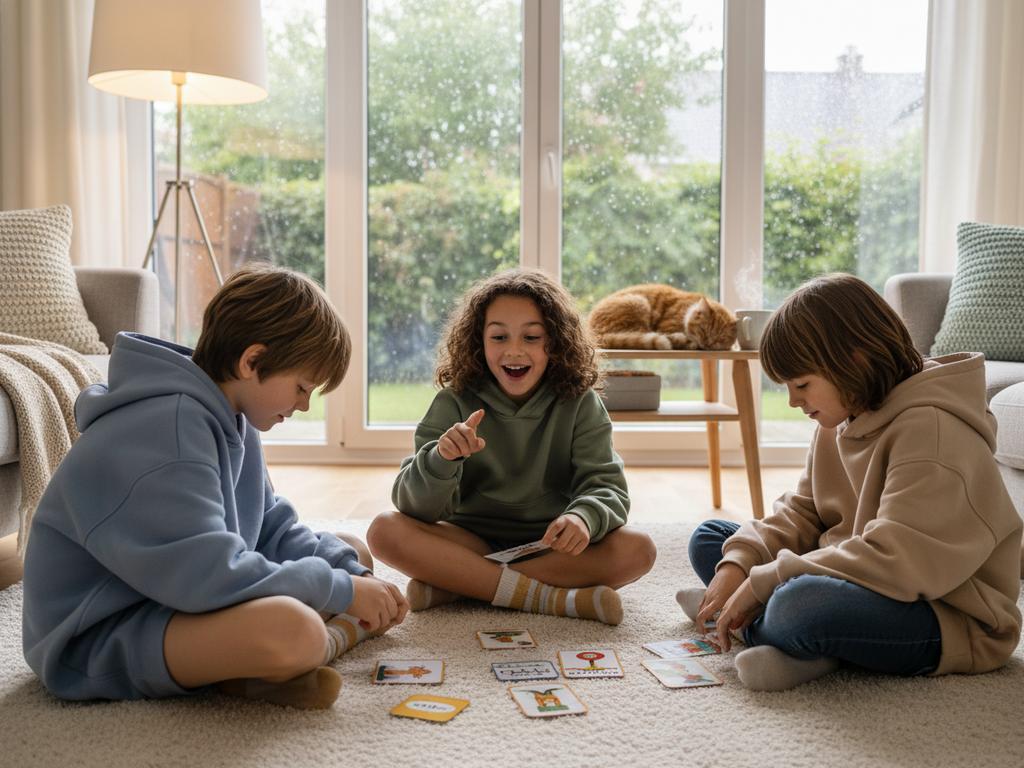
Rainy days don’t have to be boring – only clever
The sound of rain tapping against the windows, kids pacing the hallway, and screens silently calling from the living room – we’ve all been there. But this time, we’re rewriting the story. These 20 hard riddles for rainy days aren’t just time-fillers; they’re brain fuel. Rather than switching on a device, you’re about to power up something far schlauer: your child’s critical thinking. Packed with clever twists, logical traps and quirky fun, this is your rainy day rescue mission.
What makes riddles the ultimate screen-free challenge?
Riddles are more than a playful pastime – they are mini workouts for young minds. While your child tries to crack a puzzle, they’re strengthening logical reasoning, language skills and creative thinking. This isn’t about rote memorization or textbook knowledge. It’s about *aha-moments* and thinking outside the juice box. The best part? Riddles naturally invite interaction, making them ideal for sibling duels or cozy living room family competitions.
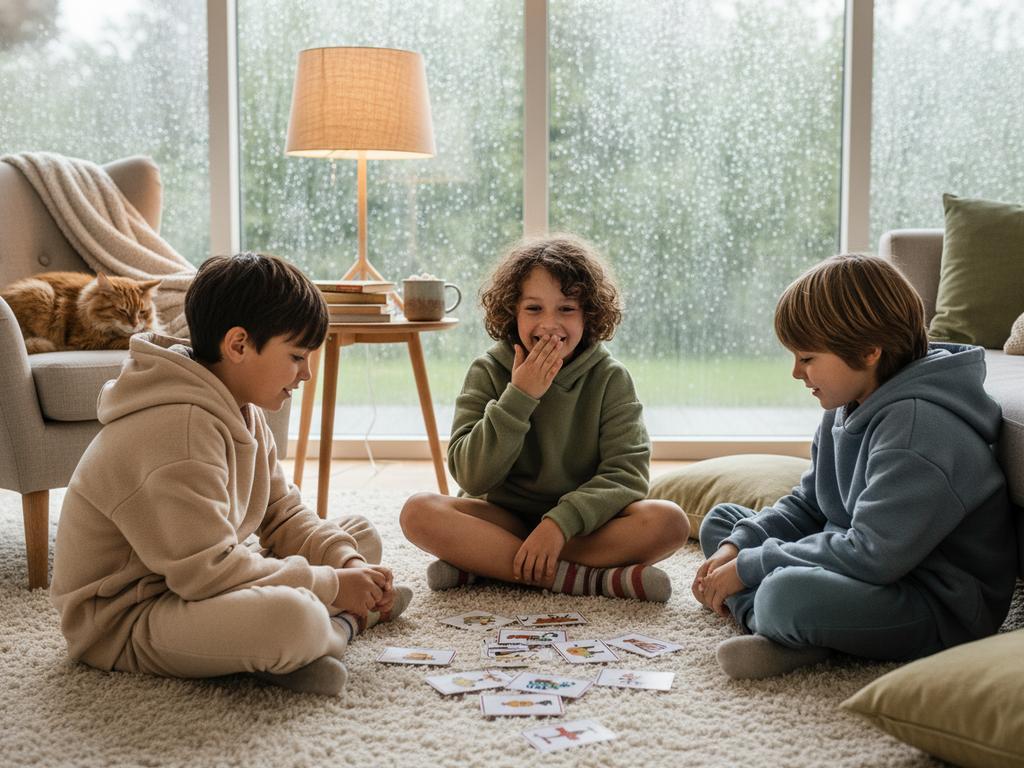
Setting the scene: cozy chaos and curious clues
Picture this: You’re curled up in socks and oversized hoodies, a thunderstorm brewing outside. Inside, there’s a semi-circle of giggling kids hanging on your every word. You read a riddle, pause dramatically, and watch as their brows knot in concentration. Suddenly – a triumphant shout, a grin, a lightbulb moment. That’s the magic of riddles. They transform boredom into bonding, and rainy days into mental adventures.
20 riddles designed to bend brains and spark laughter
These riddles are handpicked for their ability to challenge without frustrating, making them ideal for kids aged 7–13. Whether you’re solving together or setting up a mini tournament, they’ll cultivate patience, logic and imagination, all wrapped in chuckles and ‘aha!’s.
Here’s a taste of the puzzling goodness:
– What has hands but can’t clap? – The more you take, the more you leave behind. What am I? – I speak without a mouth and hear without ears. I have no body, but I come alive with wind. What am I? – If you drop me, I’m sure to crack, but give me a smile and I’ll always smile back. What am I? – What can run but never walks, has a bed but never sleeps, and has a mouth but never eats?
Tip: Create a mini riddle book out of index cards. One side holds the riddle, the other the answer. Perfect for rotating hosts or building anticipation.
Not too easy, not too hard – just right!
Finding the sweet spot isn’t always easy. Go too simple, and it turns silly. Too tough? Kids check out. These riddles walk the perfect middle path – intriguing enough to require thought, yet fair enough to fuel progress. If a child gets one wrong, encourage them to reframe the question or look for hidden wordplay, rather than give up. That’s the riddle mindset: persistence over perfection.
Beyond giggles: What these riddles teach your kids
While it may look like play, riddles train essential life skills: – Resilience – learning from missteps without frustration – Inference – connecting dots with incomplete data – Patience – sitting with the unknown instead of rushing to Google – Collaboration – solving clues together, negotiating ideas These aren’t just games. They’re mental gyms in disguise.
Turn it into a family game night – riddle edition
Here’s how to upgrade the riddle experience: – Pick a ‘Riddle Master’ each round who reads aloud and judges answers – Assign points for speed, creativity or funniest (wrong) guess – Keep a scoreboard and a silly ‘trophy’ – like the Golden Spoon of Wisdom – Add props: put on a detective hat, use a magnifying glass, dim the lights When play feels this engaging, your kids won’t even miss their screens.
Riddles that grow with your children
The more riddles your kids tackle, the quicker they’ll develop their own solving strategies. You’ll notice patterns: how they listen differently, ask smarter questions or test theories. Over time, increase difficulty or invite them to *create their own riddles*. It’s one thing to solve a mystery – it’s another to invent one. You’re laying a foundation for lifelong curiosity and problem-solving.
Creativity over clicks: why puzzles still matter
Screens are easy. But developing focused attention and perseverance, that’s rare. Screen-free indoor puzzles like riddles slow down the pace, inviting children to sit with complexity and step into imagination. On rainy days, when outdoor play fades, riddles shine. They’re proof that the best adventures happen inside – your mind.
Your rainy day riddle arsenal: next steps
Ready to bring the riddles to life? Print them, write them out, or build a DIY riddle jar. Keep it handy for next weekend’s drizzle or the next “I’m bored” moment. Or better: make riddles a weekly ritual – Tuesday Teasers or logic-before-bed Wednesdays. When riddles become tradition, you’re not just filling time. You’re shaping thinkers, idea jugglers and confident problem-solvers – one rainy day at a time.